Braces in Oreland, PA from a Specialist Orthodontist
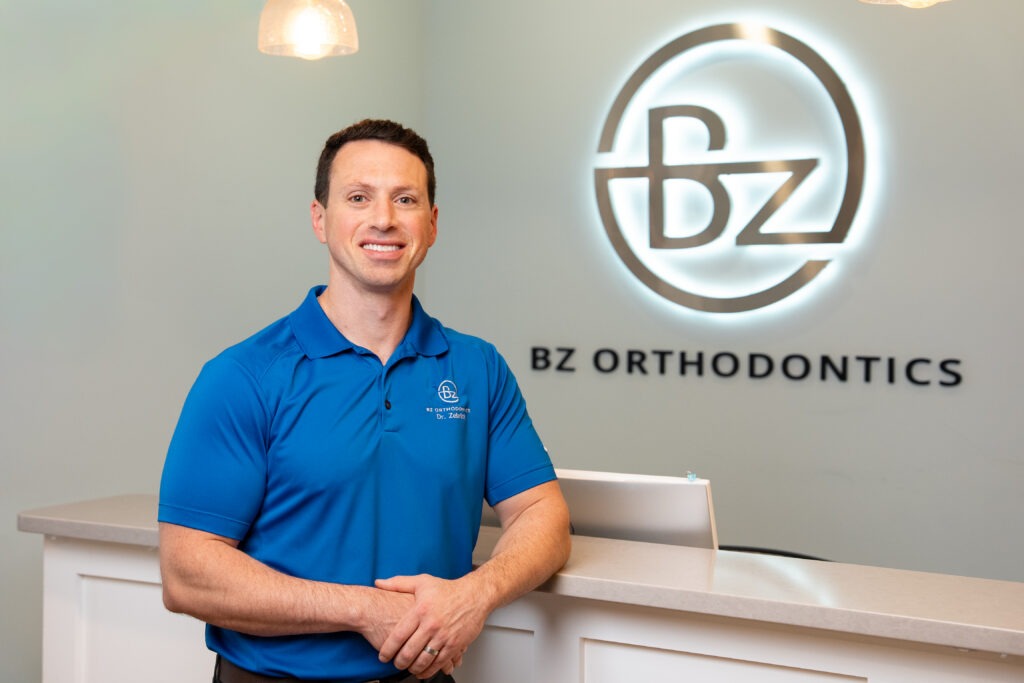
Oreland is a tight-knit corner of Springfield Township, and plenty of its families make the short trip to BZ Orthodontics when it is time for braces. Dr. Brian Zebrick is a specialist orthodontist, an AAO member, and a Diamond Top 1% Invisalign Provider, and he designs every treatment himself, from a child's first set of braces to an adult's long-awaited smile.
If you are searching for braces or an orthodontist in Oreland, this page covers both: how braces work, which type fits which situation, what an orthodontist can fix beyond crooked teeth, and what treatment looks like week to week. Prefer removable aligners? Head over to Invisalign in Oreland.
How Braces Straighten Teeth
Braces are small brackets bonded to each tooth, connected by a thin archwire. Each bracket acts as a handle, and the wire does the real work, applying light, continuous pressure along a path Dr. Zebrick plans in advance. At each visit the wire is adjusted or replaced to keep teeth moving in the right direction.
Because braces are fixed and always working, they offer precise, predictable control. That is why they are still the first choice for tough movements like rotating a stubborn tooth, closing a wide gap, or fixing how the upper and lower teeth meet. And there is nothing to forget at home, which parents of younger patients appreciate.
Types of Braces for Oreland Patients
Metal braces
Modern metal braces are smaller and smoother than older versions, and the stainless steel holds up to just about anything. They handle nearly every case, and kids love choosing new colored bands at each visit.
Clear (ceramic) braces
Clear braces use tooth-colored ceramic brackets that blend in with your smile while working just like metal. They are a favorite with Oreland teens and adults who want fixed braces without the metallic look, and they need a little extra care to stay looking their best.
Prefer removable?
Invisalign uses clear, removable trays instead of brackets. It works well for many mild to moderate cases, and Dr. Zebrick is glad to compare it with braces at your visit. See Oreland Invisalign for more.
| Feature | Metal braces | Clear braces | Invisalign |
|---|---|---|---|
| Look | Visible, small brackets | Tooth-colored, subtle | Nearly invisible trays |
| Removable | No | No | Yes, for meals and brushing |
| Food rules | Skip hard and sticky foods | Skip hard and sticky foods | Take trays out to eat |
| Great fit for | Complex cases, all ages | Teens and adults who want less visibility | Mild to moderate cases |

What an Oreland Orthodontist Can Correct
An orthodontist completes two to three years of residency after dental school, focused entirely on moving teeth and guiding jaw growth. That training matters most on the harder cases, where precision is the difference between a good result and a great one. Braces and other appliances routinely correct:
- Crowding, when teeth overlap or twist for lack of room
- Gaps and spacing between teeth
- Overbite, when the upper front teeth sit too far over the lowers
- Underbite, when the lower teeth sit in front of the uppers
- Crossbite, when teeth do not line up side to side
- Open bite, when the front teeth do not meet as the back teeth close
Left alone, these make teeth harder to clean and can stress the jaw over time. Plenty of people deal with jaw clicking or headaches and never connect it to how their teeth meet. Fixing the bite protects your long-term oral health as much as it improves your smile.
Braces for Kids, Teens, and Adults in Oreland
Children
The American Association of Orthodontists recommends a first evaluation by age seven. Most kids will not need braces yet, but by then enough permanent teeth are in for Dr. Zebrick to spot crowding, crossbites, or jaw growth issues. Sometimes a palatal expander early on makes room for incoming teeth and shortens treatment later. Often the answer is simply to check back as they grow.
Teens
For Springfield Township middle and high schoolers, the teen years are the classic window for braces. Permanent teeth are in, growth still helps, and braces fit naturally into school and sports. The most common question we hear from this group? "Can I still eat pizza?" Yes. Just cut it into smaller bites.
Adults
It is never too late. Many Oreland patients are adults who missed treatment as kids or watched their teeth shift over time. Braces work just as well at forty as at fourteen, and clear brackets keep things discreet at work.
What to Expect During Braces Treatment
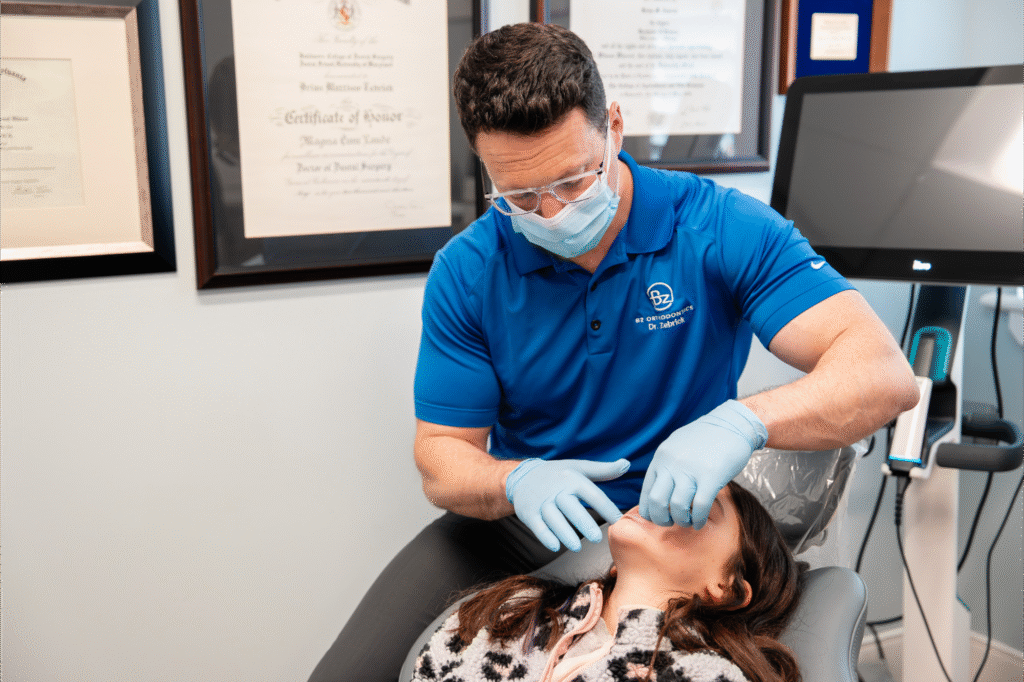
Step 1: Free consultation and exam
Your first visit is a relaxed exam with Dr. Zebrick, in person or virtual. He reviews your goals, looks at your teeth and bite, and explains the options that fit, with no pressure.
Step 2: Digital scans and planning
The iTero digital scanner and low-dose Green CT imaging build a 3D map of your mouth. No goopy molds. You get a preview of where your teeth are headed before treatment begins.
Step 3: Placing your braces
Placing braces is painless and takes about an hour. Each bracket is bonded, the archwire is set, and you leave with a full rundown on how to care for them.
Step 4: Adjustment visits
Every four to eight weeks you stop in for a quick adjustment, usually under half an hour. We fit these around school and work so treatment never takes over your week.
Step 5: Braces off, retainers on
When your teeth reach their final positions, the braces come off and custom retainers keep everything in place. Most people wear them full-time at first, then nights only. That is what protects your result for life.
Caring for Your Braces
Good habits keep treatment on schedule. Brush after meals and floss daily, since brackets and wires give plaque more places to hide. The team will show you the easiest tools and tricks for cleaning around them.
Skip hard, sticky, and chewy foods, which can loosen a bracket or bend a wire. If something does come loose, it is not an emergency. Give the office a call and we will get it fixed and tell you what to do in the meantime. Most Oreland patients settle into life with braces within the first week, and after that braces just quietly do their job in the background.
Why Oreland Families Choose BZ Orthodontics
Oreland families tend to choose us for the same reason they like their own neighborhood: it feels personal. Dr. Zebrick lives in the community he serves, gets to know every family, and explains things without rushing. Behind that friendly feel is a true specialist practice.
- Orthodontics only: a specialist with years of focused training beyond dental school
- Diamond Top 1% Invisalign Provider: deep experience with aligners as well as braces
- Modern tools: iTero scanning, low-dose 3D imaging, and treatment previews
- Free consults: in office or virtual, no obligation
- Insurance and payment plans: the team verifies your benefits and walks through financing options before anything starts
The Closest Office to Oreland
Oreland families do not need to head all the way up to Lansdale. Our Fort Washington office is a short drive through Springfield and Whitemarsh, close enough for a quick adjustment between school and practice. Our Lansdale office adds more days to choose from. Same doctor, same care, and you can book at whichever office is easier. Hours and directions are on each office page.
Frequently Asked Questions About Braces and Orthodontics in Oreland
How long does treatment with braces take?
Most cases run 12 to 24 months, depending on complexity. Simple crowding moves faster, while bigger bite corrections take longer. Dr. Zebrick gives you a realistic timeline at your free consultation.
Metal or clear braces: which should I pick?
Both move teeth equally well. Metal braces are the most durable, while clear ceramic braces are far less noticeable. Dr. Zebrick will give you a straightforward recommendation based on your case and preference.
What is the difference between clear braces and Invisalign?
Clear braces are fixed ceramic brackets bonded to your teeth. Invisalign is a series of removable plastic trays you switch every week or two. Both are less noticeable than metal, but they work differently, and Dr. Zebrick can help you decide which fits your life.
When should my child first see an orthodontist?
By age seven, per the American Association of Orthodontists. Most children do not need treatment right away, but an early check lets us time things well.
Can adults get braces?
Definitely. A large and growing share of orthodontic patients are adults, and clear brackets keep treatment discreet.
What if a bracket comes loose?
It happens, and it is not an emergency. Call the office and we will schedule a quick repair and tell you what to do in the meantime.
Can I play sports or an instrument with braces?
Yes to both. Wear a mouthguard for contact sports. Wind and brass players usually adjust within a week or two.
Will braces change my speech?
Most people notice little or no change. A very slight lisp for a day or two is possible while your mouth gets used to the brackets.
Does BZ Orthodontics accept insurance?
We accept most insurance plans, and the team will verify your benefits and explain your coverage before treatment begins. In-house payment plans are available too.
Do I still see my regular dentist?
Yes. Keep up your regular checkups and cleanings throughout treatment.
Schedule Your Free Braces Consultation in Oreland
Ready to get started? Book a free consultation at our Fort Washington or Lansdale office, or begin with a virtual consult from home. Bring your questions and bring the kids. Call (215) 855-7717 and Dr. Zebrick will map out a plan that fits your family.