
Retainers after braces keep your teeth from drifting back to where they started. For the first few months, most patients wear a retainer nearly full time. After that, most switch to wearing it at night, and for most people, nightly wear is a long-term habit. Your orthodontist sets the exact schedule based on your case.
Getting your braces off or finishing your last aligner feels like the finish line. It’s a big one, but there’s one more stage, and it’s the one that decides whether your new smile lasts. At BZ Orthodontics, Dr. Brian Zebrick treats retention as part of treatment, not an afterthought. Here’s what to expect and how to make it easy.

Why Teeth Shift After Braces
Teeth aren’t set in the jaw like posts in concrete. Each one is held by tiny elastic fibers that stretch and remodel as braces move it. When treatment ends, those fibers still have a memory of the old position, and for a while they pull the teeth back toward it. The bone around the teeth also needs time to firm up.
On top of that, teeth keep shifting slightly throughout life, braces or not. It’s a natural part of aging. That’s why people who had braces as teens sometimes notice crowding creeping back in their twenties or thirties, usually because the retainer ended up in a drawer.
Types of Retainers
There are three main types, and each has trade-offs. Dr. Zebrick will recommend the one that fits your bite and your habits, and some patients use more than one.
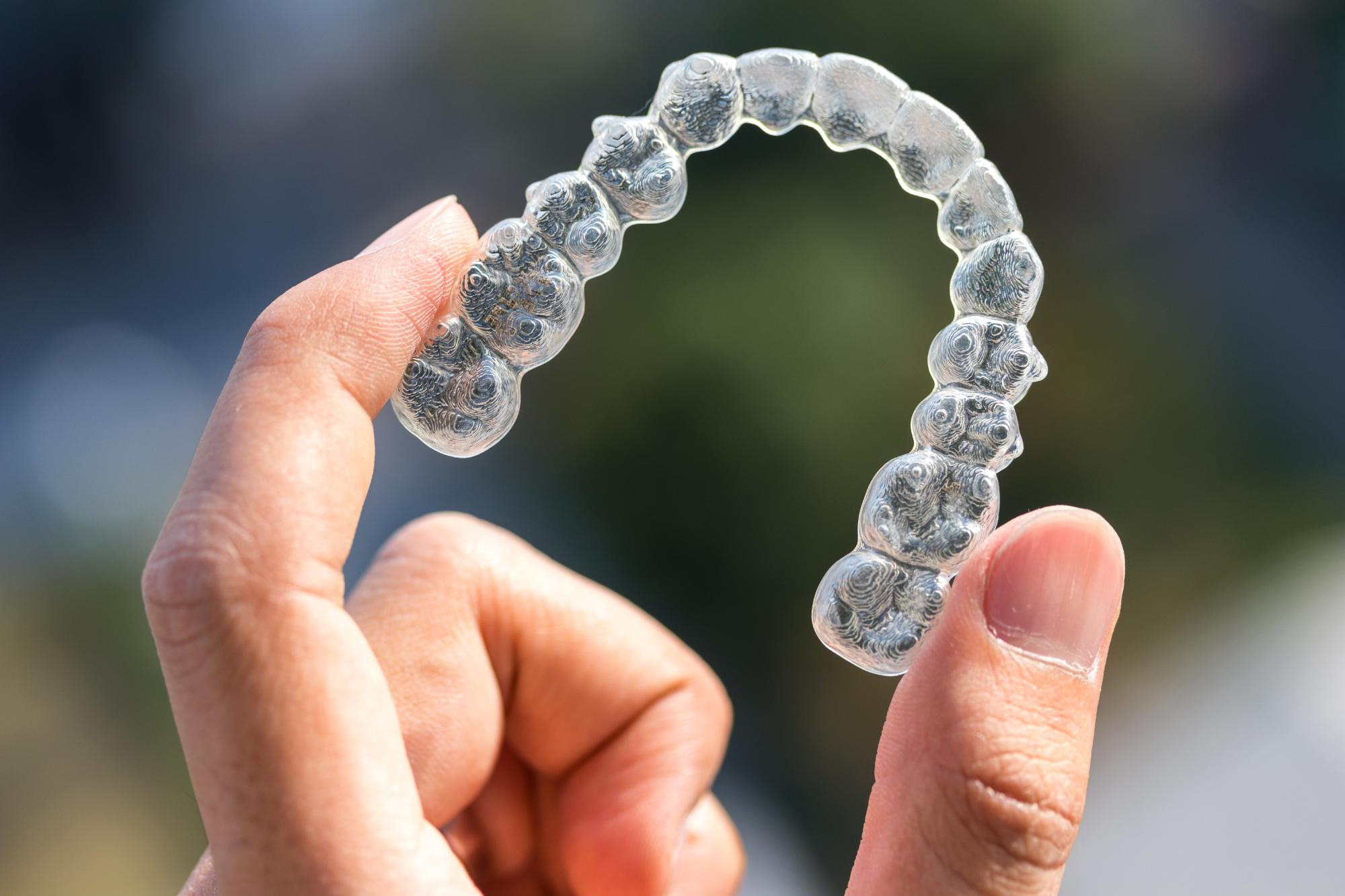
- Clear retainers. Thin, transparent trays that look a lot like Invisalign aligners. They’re nearly invisible and comfortable, which makes them popular with teens and adults. They wear out over time and need replacing every so often.
- Wire retainers. A classic design with a thin wire across the front teeth and an acrylic piece that rests against the palate. They’re durable and can be adjusted, though the wire is visible.
- Bonded retainers. A thin wire glued to the back of the front teeth. It stays in all the time, so there’s nothing to remember or lose. It does take more care to floss around.
How Long Do You Wear a Retainer After Braces?
Every case is different, but the pattern usually looks like this:
- The first few months: wear it most of the day and all night, taking it out only to eat and brush. This is when teeth are most likely to move.
- After that: most patients move to nighttime wear once Dr. Zebrick sees things are stable.
- Long term: for most people, a few nights a week to every night, indefinitely. Think of it like brushing. It’s simply part of keeping the result.
That can sound like a lot, but it fades into routine fast. And it’s a small trade for the time you already put in. If you’re just starting out and wondering about the whole timeline, our post on how long braces take covers the active phase before retention begins.
What It Feels Like at First
A new retainer can feel snug for the first few days, and you might talk with a slight lisp until your tongue adjusts. Both pass quickly. If a retainer ever feels very tight after you’ve skipped a few nights, that’s a sign your teeth have already started to move. Put it back in and call us so we can check the fit.
How to Clean and Care for Your Retainer
- Brush it gently with a soft toothbrush and cool or lukewarm water. Hot water can warp clear plastic.
- Skip toothpaste on clear retainers if it leaves scratches. Mild soap or a retainer cleaner works well.
- Keep it in its case whenever it’s out of your mouth. Retainers wrapped in a napkin at lunch are the ones that end up in the trash.
- Keep it away from pets. Dogs love to chew them.
- Bring it to your checkups so we can make sure it still fits.
Lost or Broken Retainer? Don’t Wait
Teeth can start shifting within days of going without a retainer, especially early on. If yours is lost, cracked or no longer fits, call us right away. Replacing it quickly usually means a new retainer is all you need. Waiting months can mean the teeth have moved enough that a short round of treatment is needed to get them back.
Retainers for Every Age
Retention looks a little different depending on how treatment started. A child who had a palatal expander may wear a retainer to hold the widened jaw before braces. Teens finishing braces usually start with a clear or wire retainer. Adults who straightened their teeth with Invisalign often find a clear retainer feels familiar right away. Whatever your age, the goal is the same, and our approach to orthodontics for all ages includes a retention plan from day one.
Retainer Checks in Lansdale and Fort Washington
Retainer visits are quick, and they’re the best way to catch small changes before they become big ones. You can see Dr. Zebrick at our Lansdale office on Hancock Street, or at our Fort Washington orthodontic office on Bethlehem Pike once it opens November 4, closer to home for families in Blue Bell, Dresher, Flourtown and Whitemarsh. If your teeth have started to shift after treatment somewhere else, we’re happy to take a look.
Retainer FAQs
Do I have to wear a retainer forever?
For most people, yes, at least part time. After the first few months of near full-time wear, most patients move to nights, and keeping that habit long term is the most reliable way to keep teeth straight.
What happens if I stop wearing my retainer?
Teeth tend to drift back toward their old positions, sometimes within weeks. Small shifts can be caught with a new retainer, but larger relapse may need more treatment to correct.
Which type of retainer is best?
It depends on your bite and habits. Clear retainers are nearly invisible, wire retainers are durable and adjustable, and bonded retainers stay in place all the time. Your orthodontist will recommend the best fit.
How do I clean a clear retainer?
Brush it gently with a soft toothbrush and cool or lukewarm water, using mild soap or a retainer cleaner. Avoid hot water, which can warp the plastic.
Is it normal for my retainer to feel tight?
A little snugness is normal at first. If it feels very tight after skipping a few nights, your teeth have likely started to move. Wear it again and call your orthodontist to check the fit.