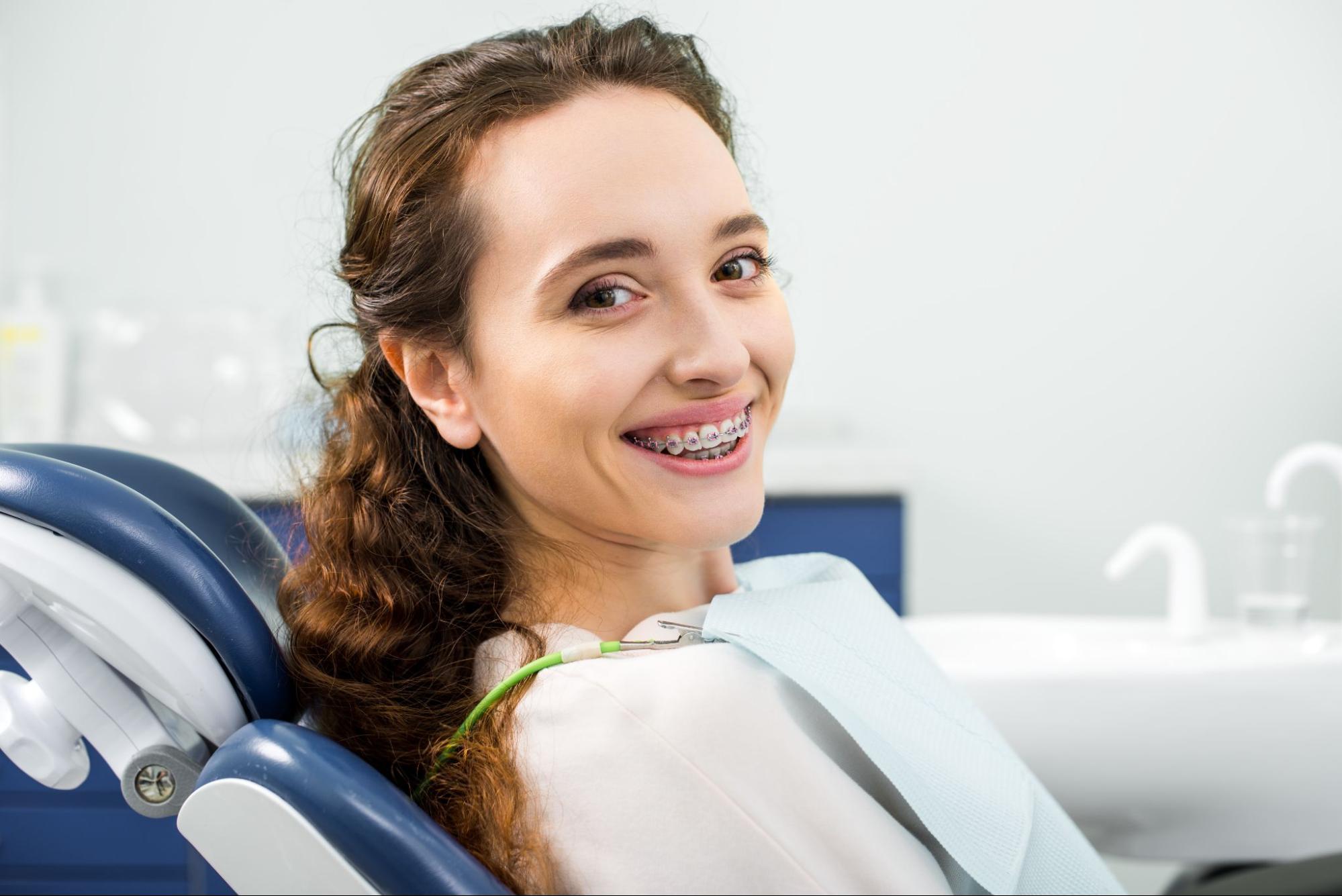
Most people want a number before they commit, and the honest answer is that it depends on what is being corrected. The useful version of that answer is a range you can plan around. For the majority of patients, braces take somewhere between 12 and 24 months, with simple cases finishing sooner and complex bite work running longer.
Below is how those ranges break down, what genuinely speeds treatment up, and what quietly adds months without anyone intending it.
Typical Braces Timelines
These are the ranges we see most often at BZ Orthodontics in Lansdale:
- Mild crowding or spacing: 6 to 12 months. Small corrections where the teeth only need to shift a short distance.
- Moderate misalignment or a bite that needs correcting: 12 to 24 months. This is where most patients land.
- Complex cases, significant bite correction, or treatment paired with jaw surgery: 24 months or more.
A first evaluation gives you a far more specific estimate than any range can. Once we have digital scans and can see exactly what has to move and how far, the timeline stops being a guess.
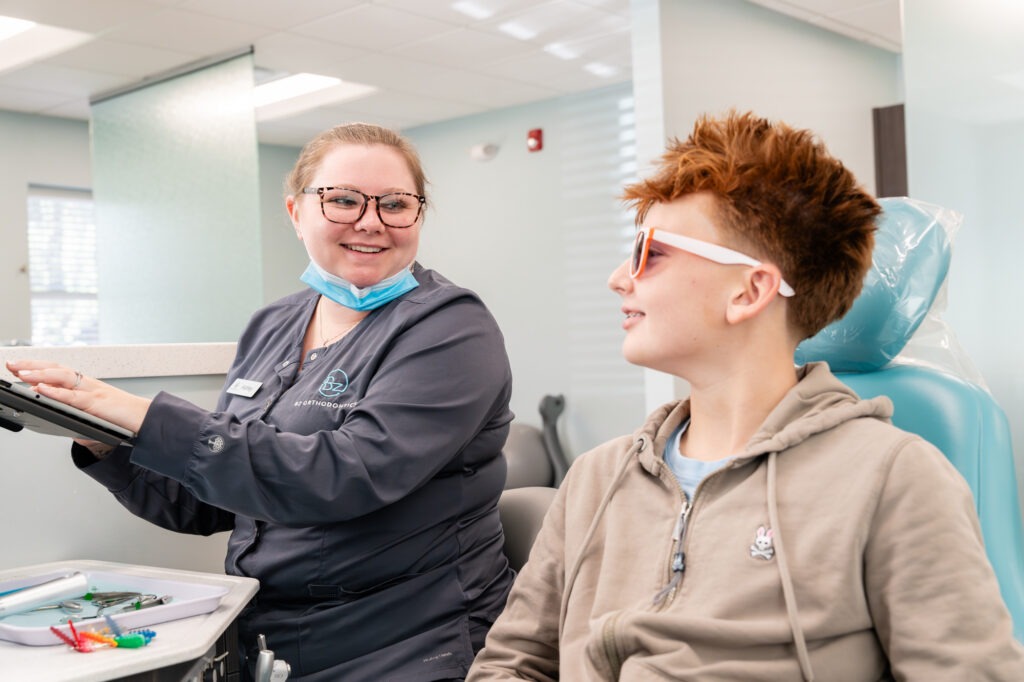
What Determines Your Timeline
How much movement is actually required
This is the biggest factor by a wide margin. Closing a small gap is a different job from rotating a stubborn tooth or correcting how the upper and lower arches meet. Bite correction in particular takes time because the teeth and the jaw relationship both have to change, and that cannot be rushed without compromising the result.
Your age
Younger patients often move faster. Bone is still developing, which makes it more responsive to steady pressure. Adults get excellent results, but the same movement can take somewhat longer. This is a difference of months, not years, and it is not a reason to put off treatment. We treat orthodontics for all ages and adult cases finish successfully every week.
Which appliance you choose
- Metal braces: Typically 18 to 24 months. The most efficient option for complex movement, and the most predictable across the widest range of cases.
- Clear braces: Comparable to metal, generally 18 to 24 months. Ceramic brackets work the same way, so the timeline is essentially unchanged. If you are deciding between them, we compare the two bracket types in detail.
- Invisalign: Often 12 to 18 months for mild to moderate cases. Can be faster than braces when the case suits it, and comparable or longer when the movement is complex.
How consistently you follow the plan
This is the factor patients control, and it matters more than most people expect. Wearing rubber bands as directed, keeping aligners in the recommended hours, avoiding the foods that break brackets, and showing up for appointments all keep treatment on its planned track. The patients who finish early are almost always the ones who did these things without being reminded.

What Quietly Adds Months
Nobody sets out to extend their treatment. It usually happens through small, repeated things:
- Missed or rescheduled appointments. Each adjustment starts the next phase of movement. Skipping one does not pause treatment, it stalls it. A few missed visits across a year can add a month or more.
- Broken brackets. A loose bracket stops moving that tooth until it is repaired. Hard and sticky foods are the usual cause, and this is the single most avoidable delay.
- Inconsistent aligner wear. For Invisalign, the 20 to 22 hours per day figure is not padded. Falling short means the teeth do not track to the plan and trays have to be remade.
- Untreated cavities or gum problems. Active dental issues have to be resolved before orthodontic movement can safely continue, so keep up with your regular dentist throughout.
Timelines by Age Group
Children
The American Association of Orthodontists recommends a first evaluation around age seven. Most children will not need braces at that point. The value is in catching developing problems early, when guiding jaw growth is still possible. Early intervention, when it is warranted, often shortens or simplifies the treatment needed later.
Teens
The classic window, and typically 18 to 24 months. Most permanent teeth are in, growth is still working in your favor, and crowding and bite issues respond well.
Adults
Usually 12 to 24 months depending on the case. Adult treatment has grown steadily, both for people who missed it as teenagers and for those whose teeth have shifted over the years. Dr. Brian Zebrick plans adult cases with the same digital mapping used for every patient, so you see the projected result and the expected timeline before committing.

Can Treatment Finish Early?
Sometimes, yes. Teeth that respond well to pressure combined with consistent compliance occasionally beat the estimate. What we will not do is remove braces before the bite is genuinely correct in order to hit a date. Teeth that are straight but sitting in an uncorrected bite will relapse, and you end up back where you started. The finish line is the result, not the calendar.
What Happens After the Braces Come Off
Active treatment ending is not quite the end. Retainers hold the teeth in their new positions while the surrounding bone stabilizes, which takes months. Retainer wear is the single biggest predictor of whether a result lasts, and it is the step patients most often underestimate. We will fit yours the day the braces come off and walk you through the schedule.
Getting a Real Number for Your Case
Ranges are useful for planning. A specific estimate needs a look at your actual teeth. At your first visit we take digital scans, map what has to move, and give you a timeline based on your case rather than an average.
If you are weighing what treatment will be like day to day as well as how long it runs, we also cover whether braces hurt and what the first week actually feels like.
Start With a Free Consultation
Book a free consultation at our Lansdale office and you will leave knowing roughly how long your treatment would take and what it would involve. No obligation to start.
Frequently Asked Questions
How long do braces take on average?
Most patients finish in 12 to 24 months. Simple crowding or spacing can be done in 6 to 12 months, while significant bite correction can run 24 months or longer.
How long do braces take for adults?
Typically 12 to 24 months, depending on the case. Adult treatment can take modestly longer than the equivalent case in a teenager because the bone is no longer growing, but the results are just as good.
Is Invisalign faster than braces?
For mild to moderate cases it often is, commonly 12 to 18 months. For complex movement, braces are usually equal or faster because fixed appliances handle difficult corrections more efficiently.
Can braces work in 6 months?
Only for very limited cases, such as minor front-tooth crowding. Any treatment involving bite correction will take considerably longer, and a six month promise on a complex case is a warning sign rather than a selling point.
What makes braces take longer than expected?
Missed appointments, broken brackets from hard or sticky foods, inconsistent rubber band or aligner wear, and untreated dental problems are the most common causes. Nearly all of them are avoidable.
How often do I need appointments during treatment?
Usually every four to eight weeks for a short adjustment. These visits are brief, often well under half an hour, and keeping them is what holds the timeline together.
Do I have to wear a retainer after braces?
Yes. Teeth will drift back toward their original positions without retention, particularly in the first year. Wearing your retainer as directed is what protects the result you spent a year or two achieving.
Will the timeline be confirmed before I start?
Yes. Digital scans at your first visit let us map the required movement and give you a realistic projected timeline before you commit to anything.